
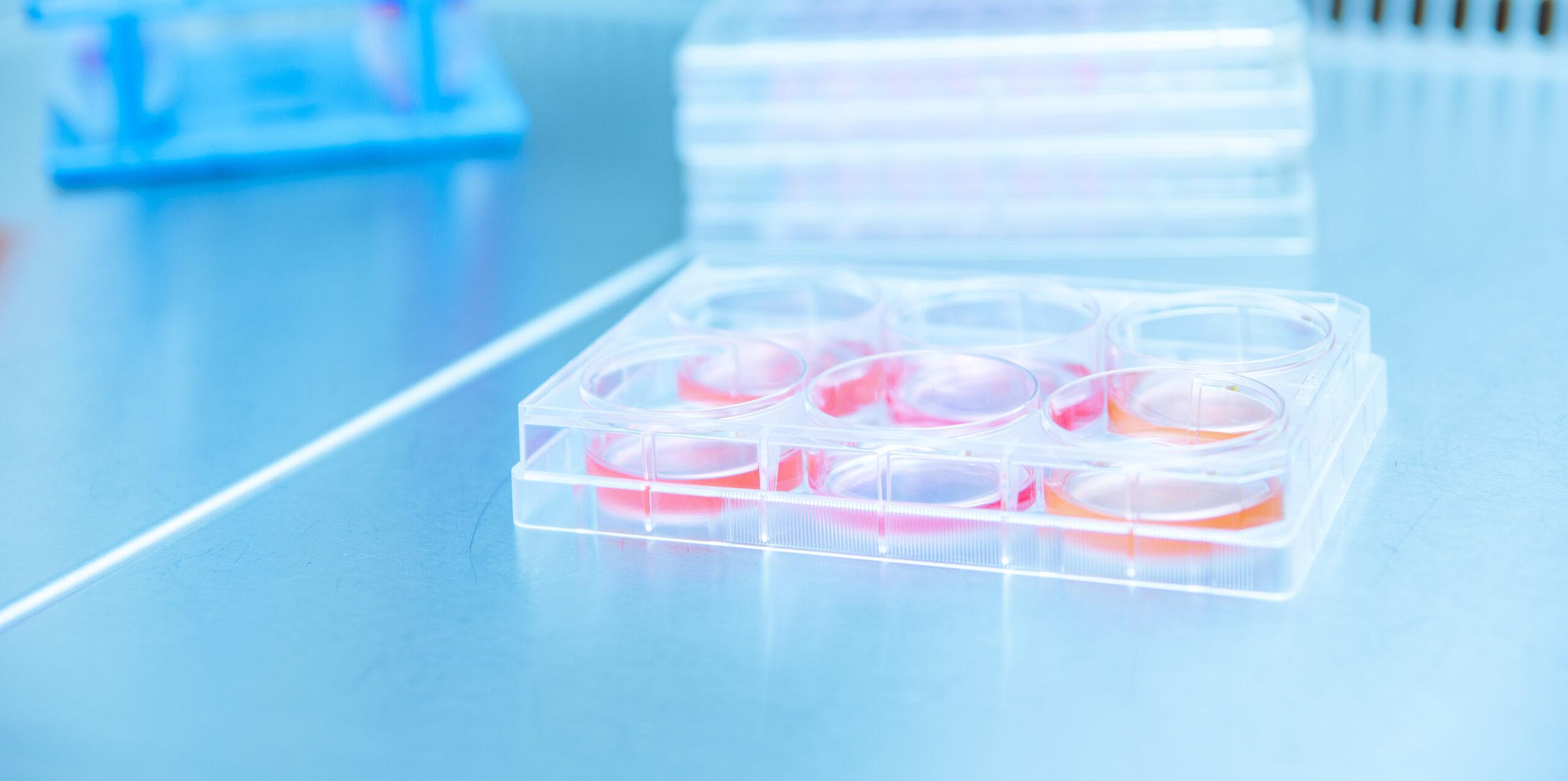

Our resources include an extensive panel of hematologic cancer cell lines, featuring commercial models, a unique proprietary collection of multiple myeloma cell lines, and acquired-resistant variants. These models reflect the molecular and clinical heterogeneity observed in patients, including subclones, mutations, and diverse resistance profiles.

Our resources include an extensive panel of hematologic cancer cell lines, featuring commercial models, a unique proprietary collection of multiple myeloma cell lines, and acquired-resistant variants. These models reflect the molecular and clinical heterogeneity observed in patients, including subclones, mutations, and diverse resistance profiles.
Diag2Tec can select the best models to meet specific needs, as most of our cell lines have been thoroughly characterized using genomic datasets (RNA-seq, Exome-seq, SNP analysis, DNA methylation analysis, miRNA and Chip-seq), using clinical (subtypes, cytogenetics) and biological assays (immunophenotypic and IC50 to SOC treatments).

Mechanistic and Functional Readouts
Diag2Tec generates high-value and relevant data:
- Drug sensitivity, cell growth inhibition (IC50 with Cell Titer Glo luminescence assays)
- Combination profiling (synergy matrices)
- Mechanism-of-action and resistance studies (flow cytometry with Annexin, Cell cycle and other customized flow panels)
- Metabolism Profiling: Oxphos/Glycolysis (Seahorse, Flow cytometry, Mass Spectrometry)
- Genomic characterization at baseline and/or after treatments
- Integration with genomic and multi-omics datasets for biomarkers identification

Overcoming Drug Resistance to Standard of Care (SOC)
Diag2Tec specifically leverages resistant models to investigate mechanisms of resistance and identify new therapeutic strategies. Our assays enable the evaluation of novel compounds or combinations to resensitize acquired-resistant cell lines, providing critical insights for overcoming therapeutic escape and improving patient outcomes.

Deliverables
High-quality, decision-ready data packages including comprehensive reports and raw/processed datasets, supporting preclinical development and translational research.