

Preclinical CRO devoted
to Hematological malignancies
Supporting biotech and pharmaceutical companies in identifying the most effective treatments for patients.
We have access to a collection of 1,500+ primary samples from patients with hematologic disorders (PBMC, BMMC, tissues, plasma) from newly-diagnosed and relapsed patients, including Acute Myeloid Leukemia, Multiple Myeloma, B-cell Lymphoma, and T-cell Lymphoma. We integrate these samples with their associated clinical, biological, and genomic data to provide highly relevant preclinical services.
We use a large panel of hematological malignancy cell lines, including commercial models, and a unique collection of 45+ human Myeloma Cell Lines, including acquired-resistant variants. These models capture patient-relevant molecular and clinical heterogeneity, and are extensively characterized (across multiple molecular layers) and profiled for in vitro treatment response, supporting robust and predictive preclinical studies.
We leverage a unique and robust memory B-cell to normal plasma cell differentiation model encompassing key physiological maturation stages: activated B-cells, pre-plasmablasts, plasmablasts, and plasma cells. This fully characterized model enables the study of normal plasma cell biology, immunoglobulin production, and therapeutic responses in a biologically relevant setting.
We provide access to comprehensive genomic datasets generated from our models and tailored to specific study needs. In addition, we perform customized genomic analyses on our models, including RNAsequencing, single-cell RNAsequencing, Exome Sequencing, miRNA profiling, ChIP-seq, and DNA methylation, enabling precise biomarker discovery and patient stratification for preclinical and translational research.
Our Preclinical Services
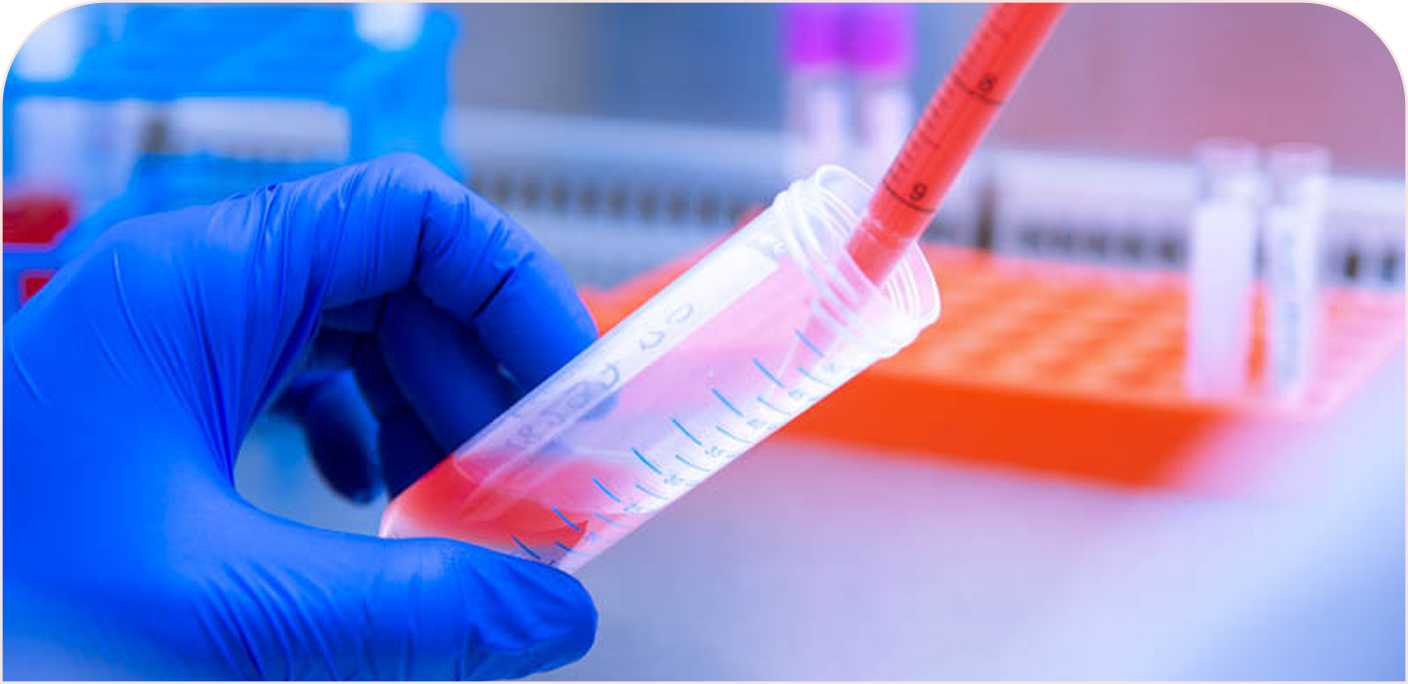
Drug efficacy, resistance and combinations assays
We have developed in vitro and ex vivo assays to evaluate the cytotoxic effects of small molecules and immunotherapies, alone or in combination treatment on tumor and non-tumor cells across our models. These approaches enable efficacy assessment, mechanism-of-action studies, and biomarker quantification. Readouts are model-adapted, including luminescence/CTG and multiparametric flow cytometry, with additional options such as ELISA, metabolomic, and proteomic analyses.
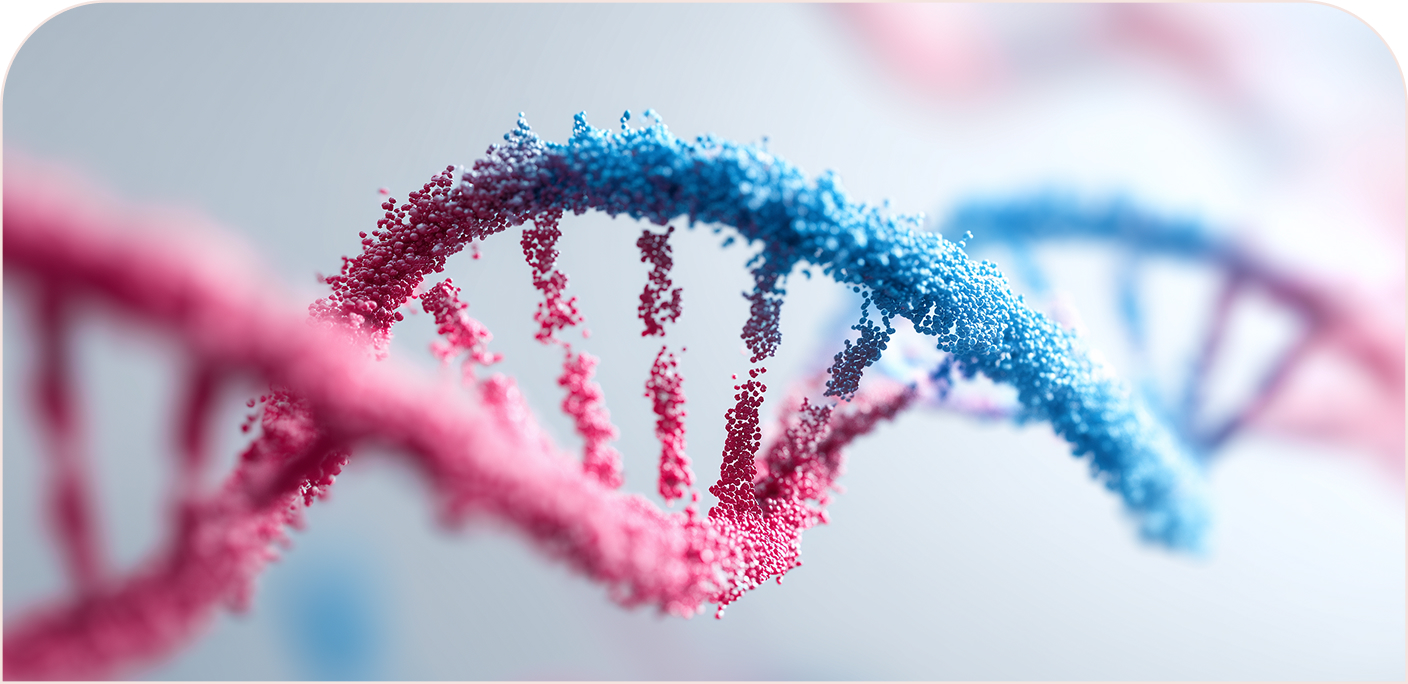
Genomic analyses
We provide advanced genomic characterization to guide model selection and/or unlock deeper biological insights. Leveraging RNA sequencing, single-cell RNA sequencing, and mutation profiling (and other on request), many of our models are already extensively characterized. According to the needs, we further integrate these datasets with clinical and biological data through tailored multi-omics analyses, enabling mechanism-of-action studies, biomarker discovery, patient stratification, and predictive scoring.
Why Choose Us

30+ years of experience

Proven Track Record

Quality Assured

Exclusive Data Access

Custom Solutions
